|
Home Breed Lists New! Kittens New! Available Retirees Gallery Of Cats and Kittens Today's Photos Today's Cattery Adding Your Cattery Corrections/Updates Renewals See The Newest Listings Cattery Banners The Litter Box From Your Cat's Point Of View Finding And Buying A Kitten Tips For Photographing Cats and Kittens JUST FOR FUN! Favorite Cats Favorite Names For Cats CFA Breed Profiles Slide Show GCCF FIFe TICA |
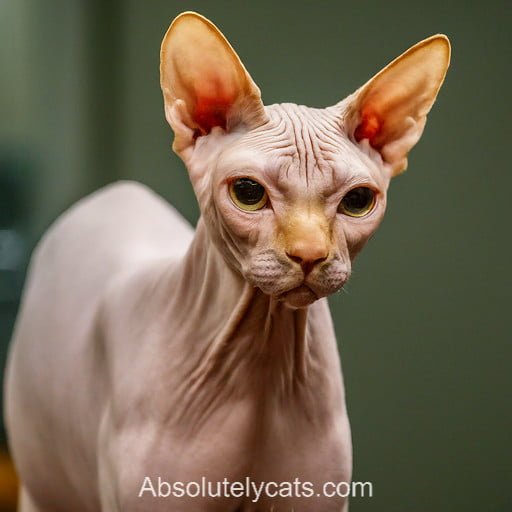
Cornish Rex Kittens and Cats Origin The Cornish Rex is a genetic mutation that originated from a litter of kittens born in the 1950s on a farm in Cornwall, UK hence the first part of the breed's name. One of the kittens, a cream-colored male named Kallibunker, had an extremely unusual, fine and curly coat; he was the first Cornish Rex kitten. The owner then backcrossed Kallibunker to his mother to produce 2 other curly-coated kittens. The male, Poldhu, sired a female called Lamorna Cove who was later brought to America and crossed with a Siamese, giving the breed their long whippy tails and big ears. The Devon Rex looks similar in appearance to Cornish Rex kittens and cats, but has guard hairs and sheds. The Devon Rex mutation is different from the Cornish Rex mutation in that the Devon has shortened guard hairs, while the Cornish Rex lacks guard hairs altogether. Crosses between Devon and Cornish Rexes are not permitted in pedigrees and matings between them will not produce a cat with short wavy fur. Another hair-deficient breed is the Sphynx cat, which has no hair but may have a very light coat of fuzz. Using the word "Rex" to imply curly or otherwise unusual fur originates from an occasion when King Albert I of Belgium (1875-1934) entered some curly-haired rabbits in a rabbit show. They did not meet the breed standard, but the show's officials did not wish to risk offending the king by rejecting them. Instead, they accepted them but wrote "Rex" (Latin for "king") beside their names. The rumor that Cornish Rex kittens and cats do not tolerate certain veterinary anesthetics has not been proven or disproven by studies. However veterinary medical advice errs on the side of caution, recommending the use of special milder anesthetics for surgery. Hypoallergenic Despite some belief to the contrary, the Cornish Rex's short hair does not make it non- or hypo-allergenic. Allergic reactions from cats are not the result of hair length, the true culprit is a glyco-protein known as Fel d1, produced in the sebaceous glands of the skin, saliva, and urine. Most people who have cat allergies are reacting to this protein in cat saliva and cat dander: when the cat cleans its fur, the saliva dries and is transformed into dust which people breathe in. Since Cornish Rex kittens and cats groom as much as or even more than ordinary cats, Cornish Rex kittens and cats can still produce a reaction in people who are allergic to cats. However, it is widely reported to cause lesser to little allergic reaction. It is recommended a potential owner visit a cattery to check their own tolerance. Note that, for more serious allergies, there are several breeds theorized to lack or produce less of the offending protein. From Wikipedia, the free encyclopedia http://en.wikipedia.org/wiki/Cornish_Rex |